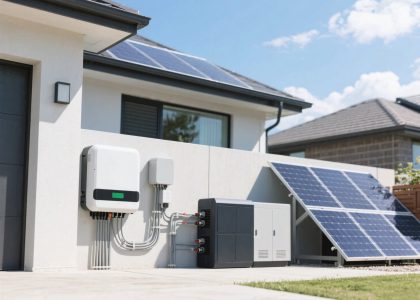
Solar Energy Technologies
Solar energy has emerged as one of the most promising and rapidly advancing renewable energy sources. As the world shifts towards sustainable solutions to combat climate change and reduce dependence on fossil fuels, solar energy technologies are playing a pivotal role in this transition. This article explores the latest developments and future prospects of solar energy technologies.
1.Solar Energy Technologies – Photovoltaic (PV) Solar Panels
Photovoltaic solar panels are the most common and widely used solar technology. Recent advancements in PV technology include:
Increased Efficiency:Modern PV cells are more efficient at converting sunlight into electricity. New materials like perovskite and improvements in silicon cells have pushed efficiency rates higher.
Bifacial Panels:These panels can capture sunlight from both sides, increasing overall energy output.
Thin-Film Solar Cells:Lightweight and flexible, these cells can be integrated into a variety of surfaces, including buildings and vehicles.
2. Concentrated Solar Power (CSP)
CSP technology uses mirrors or lenses to concentrate sunlight onto a small area, generating heat that drives a turbine to produce electricity. Key advancements in CSP include:
Molten Salt Storage:Enhances the ability to store thermal energy for use during cloudy periods or nighttime, improving the reliability and stability of solar power.
Heliostat Design:Improvements in heliostat mirrors have increased the precision and efficiency of sunlight concentration.
3.Solar Energy Technologies – Storage
Effective storage solutions are crucial for maximizing the utility of solar energy. Recent innovations in this area include:
Advanced Batteries:Lithium-ion batteries have seen significant improvements in capacity and lifespan. Additionally, new battery technologies such as solid-state and flow batteries offer promising alternatives.
Hydrogen Storage:Excess solar energy can be used to produce hydrogen through electrolysis, which can then be stored and used as a clean fuel.
4. Solar Heating and Cooling
Solar thermal technologies are not limited to electricity generation. They also play a significant role in heating and cooling applications:
Solar Water Heaters:These systems use solar collectors to heat water for residential and industrial use.
Solar Air Conditioning:Solar-powered absorption chillers can provide cooling without relying on the grid.
5. Building-Integrated Photovoltaics (BIPV)
BIPV involves integrating PV materials into building components such as roofs, facades, and windows. This technology offers several benefits:
Aesthetic Appeal:BIPV systems can be designed to blend seamlessly with building architecture.
Space Efficiency:Utilizing existing structures for solar energy generation maximizes space use and reduces the need for additional land.
6. Solar Desalination
Solar desalination uses solar energy to convert seawater into freshwater, addressing water scarcity issues in arid regions. Key developments include:
Multi-Effect Distillation (MED):Using multiple stages of evaporation and condensation to increase efficiency.
Solar Still Innovations:Improving the design and materials of solar stills for higher productivity.
The future of solar energy technologies is bright, with continuous advancements driving down costs and improving efficiency. As these technologies evolve, they will play an increasingly vital role in meeting global energy demands sustainably. By embracing and investing in solar energy, we can pave the way for a cleaner, greener future.