
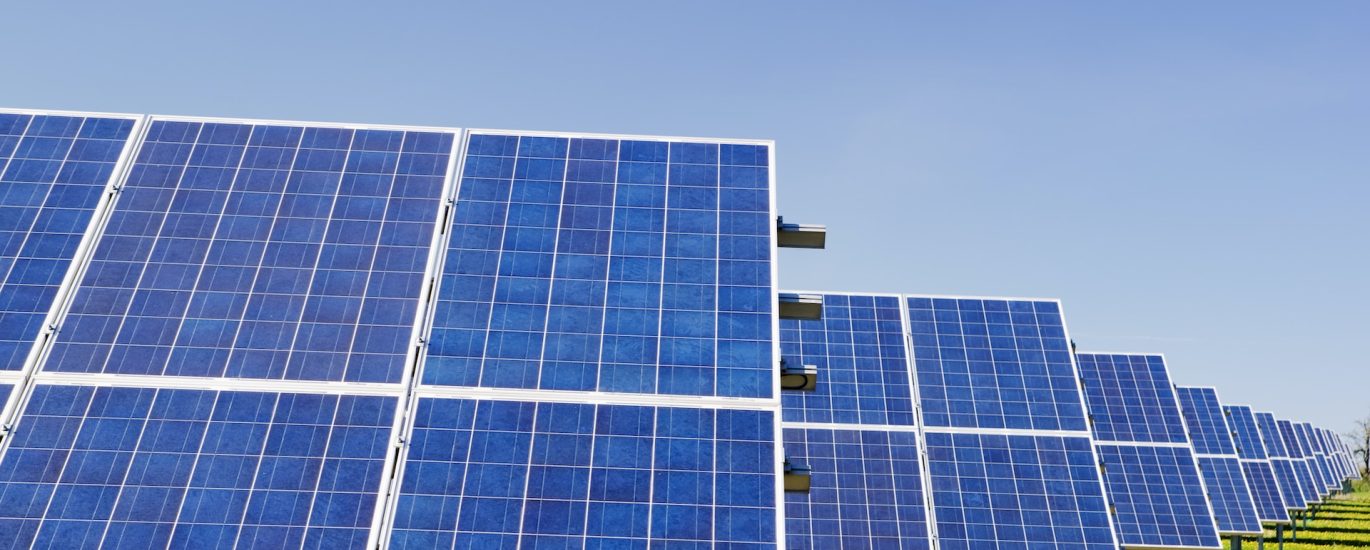
Solar Energy System Installation
“It’s important you choose a certified installation company for your solar energy system installation because they will be able to advise you on all regulations.” It’s best to talk to a few installers and get their estimates. Most of them will give you an idea of costs over the phone before arranging a survey on your home.
Ask them how long the work will take as well as what the warranty and/or guarantee for their work is. If any guarantees are insurance-backed this will help you avoid any surprises later.
As the awareness around climate change, global warming, and environmental degradation grows, solar power systems have become quite popular. Although the shift to solar energy mainly started with commercial solar installations – of late, there has been a considerable increase in solar system installation across residential areas.
“It’s important you choose a certified installation company because they will be able to advise you on all regulations.” It’s best to talk to a few installers and get their estimates. Most of them will give you an idea of costs over the phone before arranging a survey on your home.
Ask them how long the work will take as well as what the warranty and/or guarantee for their work is. If any guarantees are insurance-backed this will help you avoid any surprises later.
Looking for a Solar Energy System Installation? Send us Your Interest

A Well-Built Solar Mounting Structure
Material and workmanship play a vital role in rooftop solar system installations, making the solar mounting structure a critical component of a rooftop solar solution. The layout of the PV system and the solar panel mounting structure need to be designed taking into account the wind loads at the location, according to the wind-speed zone. Therefore, the solar mounting system should ideally be developed or approved by a structural engineer before proceeding with the solar panel installation.
However, there are several types of pre-designed and modular solar structures readily available in the market. These mounting systems are pre-certified for certain wind speeds and can be easily incorporated into the existing solar mounting structure design. Additionally, Galvanized Iron (GI) or aluminum are the most common materials for mounting PV panels. But in the case of GI structure for solar panels, the quality of galvanization is crucial for ensuring a rust-free life.
Direction Is Key in Solar Panel Installation
When it comes to solar panel installation, the panels’ direction is of utmost importance, and solar panels need to face true south for maximum power generation. The reason behind it is that when the sun moves from the east to the west, the PV panels get maximum exposure when facing southwards. Moreover, irrespective of which time of the year it is, the inclination will always be towards the south in the northern hemisphere. Hence, for the optimum harnessing of sunlight, the solar PV panels should ideally face south.
The Lesser the Shadow, the More the Energy
The performance of solar PV panels is affected by the shading effect of surrounding trees, buildings, passing clouds, and anything else that casts a shadow onto the panels. So, the sunlight converted into solar energy by the PV panels will largely depend on the amount and duration of the shadow falling on it. Therefore, it is crucial to ensure minimal shadowing when going for a solar plant installation, as the lesser the shadow, the more the energy!
Get the Tilt Angle Right during Solar Panel Installation
The tilt angle is the angle at which the solar panels are fixed, depending on your location’s latitude. In general, the tilt angle will lie between 9 to 12 degrees in the southern part of India and 25 to 30 degrees in the northern part of the country. The angle decreases as the altitude of installation increases to nullify the impact of high-speed winds on the solar panel installation.
Solar Connectors & Solar Cables for Solar Panel Installation
Electrical wiring is an integral part of the solar panel installation checklist. So, after fixing the rooftop mounting structure and assembling the solar panels, the next step is to set up the solar panel connectors and cables. The best way to do this is by using universal MC4 solar connectors, as they can be used with all types of PV panels and make the solar panel installation process much easier and faster.
While some solar PV modules come with wire leads for MC4 solar panel connectors, others come with a built-in junction box. First, you will have to connect the negative solar wire of one PV module to the positive solar wire of another PV panel, making a series connection. Next, you join the positive & positive leads and the negative & negative leads to create a parallel connection. The series connection is essential to increase the voltage levels, whereas the parallel connection is necessary to maintain these voltage levels.
Connecting the Solar System with the Solar Inverter
Once you have the solar connectors and solar cables in place, the next step of the solar panel installation is connecting the PV panels with the solar inverter. The positive wire from the solar module should be connected to the positive terminal of the solar inverter. Similarly, you must connect the solar module’s negative wire with the negative terminal of the solar inverter.
Connecting the Solar Inverter with the Solar Battery
If you’re going for an off-grid solar power plant installation, you will need a solar battery and then connect it to the solar inverter. The negative terminal of the solar battery is connected to the solar inverter’s negative terminal and vice versa, enabling battery storage and backup. However, you don’t require a solar battery for on-grid solar plant installation.
Connecting the Solar Inverter to the Grid
The next step of the solar panel installation is connecting the solar inverter to the grid. To make this connection, all you need to do is plug in the solar inverter to the main power switchboard. Plus, you also need to connect an output wire to the same switchboard that supplies power to your home.
Switch On the Solar Inverter
After all the connections are in place, the last step of the solar panel installation is to switch on the solar inverter. Since most solar inverters come with a digital display, it will show the total generation and usage of the solar unit.


